
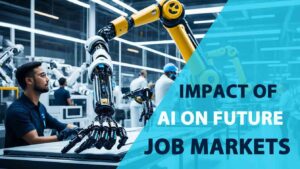
Artificial intelligence (AI) is no longer a futuristic concept confined to science fiction; it is a tangible force reshaping our world at an unprecedented pace. This technological revolution, characterized by the development of computer systems capable of mimicking human intelligence, is transforming industries, redefining the workplace, and fundamentally altering the way we live, work, and interact with the world around us.
At its core, AI involves the creation of machines that can perform tasks that traditionally require human cognitive abilities. These tasks encompass a wide range of activities, from understanding and responding to natural language to recognizing complex patterns and solving intricate problems. By imbuing machines with these capabilities, AI is automating processes, driving efficiency, and unlocking new frontiers of innovation across diverse sectors.
The Pervasiveness of AI in Everyday Life
The influence of AI is becoming increasingly pervasive in our daily lives. Virtual assistants, such as Alexa and Google Assistant, have become commonplace, seamlessly integrating into our homes and routines. These voice-activated companions respond to our queries, manage our schedules, control our smart home devices, and provide a personalized experience tailored to our individual preferences.
Beyond the domestic sphere, AI is transforming transportation, healthcare, and entertainment. Self-driving cars, powered by sophisticated AI algorithms, are navigating our roads with increasing autonomy, promising to revolutionize the way we travel. In healthcare, AI is assisting doctors in diagnosing diseases with greater accuracy, accelerating drug discovery, and personalizing treatment plans. In the realm of entertainment, AI is curating our content, recommending movies, and even generating creative content like music and art.
The Evolving Landscape of Work in the Age of AI
The advent of AI is also profoundly impacting the job market, raising both challenges and opportunities. While AI has the potential to automate numerous tasks, freeing human workers from repetitive and mundane activities, it also raises concerns about job displacement and the need for workforce adaptation.
Studies predict that AI could automate millions of jobs across various sectors, particularly those involving routine and predictable tasks. This shift necessitates a proactive approach to reskilling and upskilling the workforce, equipping individuals with the skills needed to navigate the changing demands of the AI-powered workplace.
However, the rise of AI is not solely about job displacement; it is also creating new industries and job roles. The development, implementation, and maintenance of AI systems require a skilled workforce, leading to the emergence of professions like AI engineers, data scientists, and machine learning specialists.
Navigating the AI Revolution: Adaptation and Lifelong Learning
To thrive in this era of AI-driven transformation, individuals must embrace lifelong learning and cultivate a mindset of adaptability. Technical skills, such as digital literacy, data analysis, and programming, are becoming increasingly valuable, enabling individuals to understand and interact with AI systems effectively.
Furthermore, soft skills, including creativity, critical thinking, problem-solving, and communication, are essential for navigating the complexities of the AI-powered workplace. These skills complement technical expertise, allowing individuals to leverage AI as a tool for innovation and problem-solving.
The Promise and Challenges of AI: Shaping a Better Future
AI holds immense promise for addressing some of the world’s most pressing challenges, from improving healthcare outcomes to combating climate change. However, the development and deployment of AI also raise ethical concerns that must be addressed proactively.
Issues such as bias in AI algorithms, data privacy, and the potential for misuse require careful consideration and responsible development practices. Ensuring that AI is used for good and that its benefits are distributed equitably is crucial for building a future where AI serves humanity.
Conclusion: Embracing the AI Revolution
Artificial intelligence is a transformative technology that is reshaping our world in profound ways. While it presents challenges, it also offers unprecedented opportunities for progress and innovation. By embracing lifelong learning, fostering adaptability, and addressing ethical concerns, we can harness the power of AI to create a future where technology empowers individuals, strengthens communities, and drives positive change on a global scale.
Adaptation and reskilling will be crucial for workers navigating this evolving landscape. At Omega Hire, we support AI by fostering an environment conducive to innovation and addressing challenges proactively, to harness the full potential of AI for societal benefit.